

Play Therapy
Children often experience emotions they do not fully understand or know how to express. Anxiety, behavioral struggles, school stress, family changes, grief, trauma, and social challenges all affect a child’s emotional wellbeing. While adults usually communicate emotions through conversation, children often struggle to express themselves verbally. Play therapy at Ascent Psychological Services, provides children with a safe and supportive environment where they can express feelings naturally through their imagination, while building emotional confidence and healthier coping skills.

What Is Play Therapy?
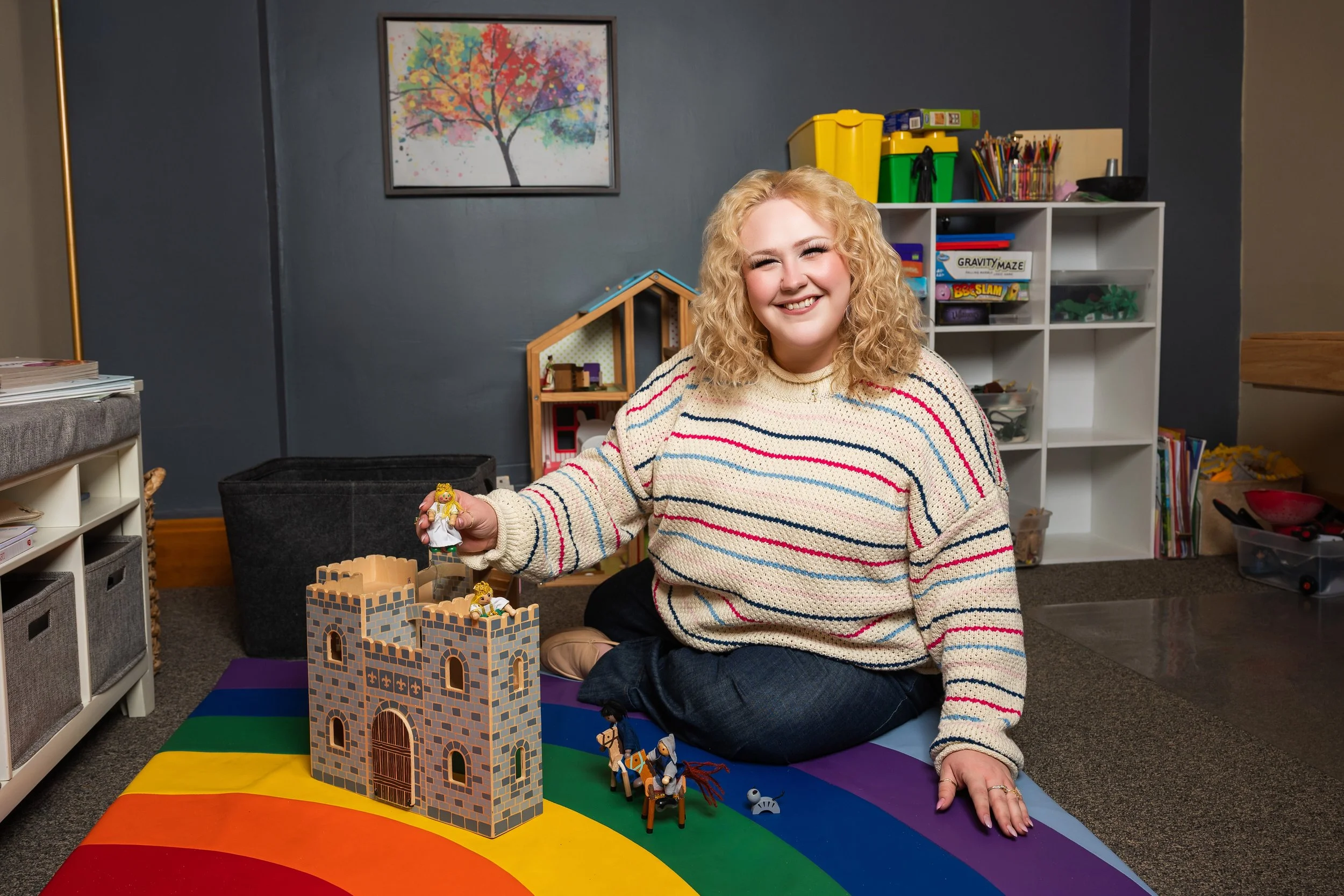
Play therapy is a specialized form of counseling designed as a mechanism for individuals to process their emotions through a natural outlet. Instead of relying only on verbal communication, therapists use toys, games, art, storytelling, and various forms of creative expression to help clients communicate thoughts and emotions.
Children sometimes struggle to explain feelings directly, especially when dealing with complex emotions they might not have the vocabulary for. Play creates a natural way for therapists to observe emotional patterns, understand concerns, and guide children toward healthier emotional responses.
During therapy sessions, children may engage in activities such as:
Drawing/creative arts
Imagination play
Board games
Sand tray activities
Puppets and storytelling
Relaxation activities
While play therapy tends to be promoted for children, all ages can benefit from this method, including adults.
How Play Therapy Supports Emotional Development
Emotional development during childhood is crucial in shaping relationships, learning, behavior, and self-confidence. When children face emotional challenges without adequate support, these difficulties can persist and impact them throughout their lives.
Therapeutic play serves as a valuable tool in guiding children to better understand emotions, enhance their communication skills, and navigate challenging situations with healthier responses.
-
Some children have difficulty expressing their emotions. Play based counseling helps children communicate those feelings naturally through creative activities while giving them tools to communicate in other environments as well.
-
Children experiencing emotional distress may act out through different types of outbursts. Therapy can help identify the underlying causes while helping kids to learn healthier coping mechanisms to better regulate themselves.
-
When a child feels heard, understood, and emotionally supported they can feel more confident in expressing themselves, while building a stronger sense of self.
-
Through play, therapists can evaluate tension in a child’s relationships and help them improve their skills in communication, empathy, and problem solving to better build those relationships.
-
Children may struggle emotionally after divorce, bullying, grief, abuse, or major family changes. Play therapy helps to support children process these experiences so that they can better cope in their day to day environment.

Signs a Child May Benefit From Therapy
Sometimes parents may be unsure whether behavioral or emotional changes are temporary or signs of deeper struggles. While every child is different, certain behaviors may indicate the need for professional emotional support, such as:
Frequent anxiety or excessive worry
Difficulty managing emotions
Sudden behavioral changes
Aggressive outbursts
Social withdrawal
Trouble sleeping
School related stress
Low self confidence
Difficulty adjusting to family changes
Persistent sadness or irritability
Early emotional support plays a crucial role in preventing challenges from developing into more significant issues over time. If you notice any significant changes in your child’s typical behavior don’t hesitate to reach out! Parental instinct is a valuable tool.
Why Parent Involvement Matters
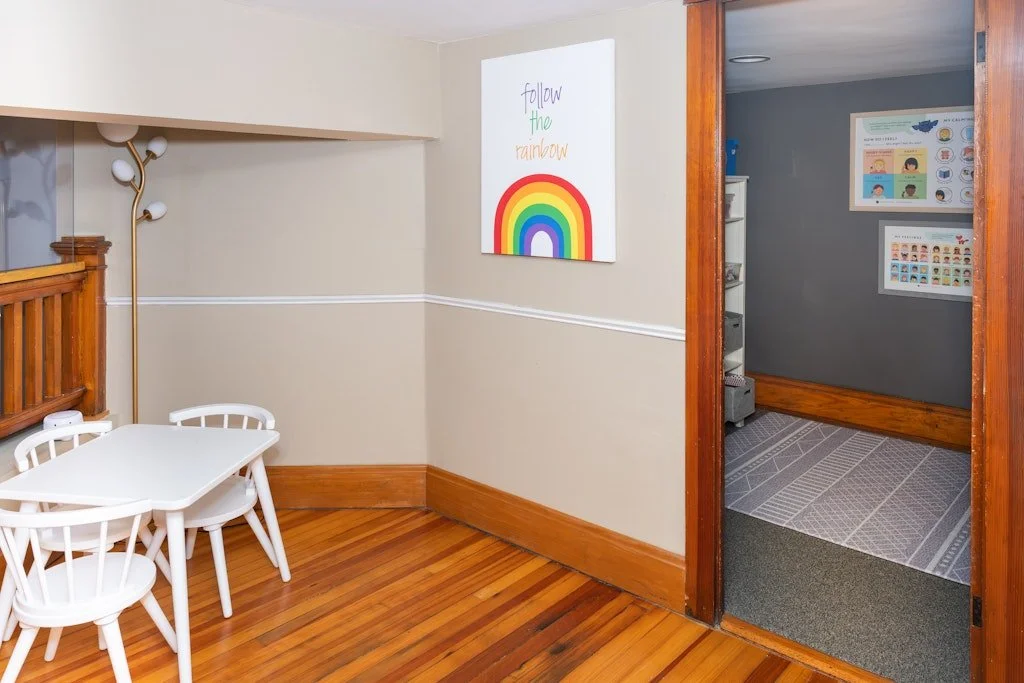
Parents are an essential part of any child’s emotional growth and therapeutic progress. Parents hold valuable insights in their childs behavioral patterns, emotional triggers, and family dynamics. Often times, our therapists will work collaboratively with parents to better understand their child’s unique needs and how to address them both in therapy and at home.
Parent involvement may include:
Discussing behavioral concerns
Learning emotional support strategies
Improving communication with children
Reinforcing coping techniques at home
Understanding their child’s underlying needs
The effectiveness of play therapy reaches its full potential when parents are able to continue supporting the skills learned in therapy in the household.
Long Term Benefits of Play Therapy
Play therapy nurtures emotional resilience, enhances self-awareness, and strengthens communication and coping skills. These benefits not only support children in their formative years but also extend into their adolescence and adulthood, fostering lifelong well-being.
Long term benefits may include:
Better emotional regulation
Improved self-confidence
Stronger relationships
Healthier communication skills
Reduced anxiety and stress
Improved school performance
Greater emotional resilience
Play therapy helps children to build a stronger emotional foundation for life.

FAQs About Play Therapy
-
Play therapy is commonly used for children between ages 3 and 12, but is really for any age group including adults.
-
The length of support depends on the child’s emotional needs, goals, and progress. Some children benefit from short term support, while others may require ongoing sessions.
-
Parent participation is integral in the therapeutic process. Many therapists collaborate with the parent to better understand their child’s emotional needs.
-
Yes. Divorce is hard for the parents, but can be equally as difficult for the child. Play therapy allows children an outlet to process their emotions related to the divorce in a constructive environment.
Support Your Child’s Emotional Wellbeing
Every child deserves a nurturing space where they can freely express their emotions, grow their confidence, and cultivate healthy coping skills. Childhood emotional challenges can influence behavior, learning, relationships, and self-esteem, yet early intervention can create a significant positive impact well into their future.
At Ascent Psychological Services in Cincinnati, OH, we offer compassionate play therapy that provides children with personalized emotional support. Our approach is neurodivergent-affirming, understanding that every child’s brain is wired differently and each unique brain needs their own individualized approach.